Fire Damage

Smoke Damage Cleanup and Interior Repair After a House Fire 1024 684 Gene Trofimchik

Smoke Damage Cleanup and Interior Repair After a House Fire

A house fire does not need to fully burn a structure to cause serious damage. In many Salem homes, smoke, soot, and odor spread far beyond the area where flames were present. Even small fires can leave behind widespread contamination that affects walls, ceilings, HVAC systems, and personal belongings. Smoke damage cleanup is a critical part of the recovery process and often determines whether a home can be safely restored to its pre-loss condition.

This guide explains how smoke damage cleanup works, why professional smoke damage restoration matters, and what homeowners should expect when repairing interior spaces after a fire.

What Smoke Damage Is and Why It Matters

Smoke damage is caused by airborne particles released during a fire. These particles travel through the home and settle on surfaces, inside wall cavities, and throughout ventilation systems. Unlike visible fire damage, smoke damage is often hidden and continues to affect the home long after the flames are extinguished.

Smoke damage matters because:

  • Soot residues are acidic and can permanently stain surfaces
  • Smoke odor embeds into porous materials
  • HVAC systems can circulate contaminated air
  • Lingering contamination can cause health irritation
  • Improper cleanup can lead to long-term odor problems

Smoke damage cleanup is not cosmetic. It is a necessary remediation step that protects both the structure and the occupants.


How Smoke Damage Affects a Home or Business

Smoke damage impacts nearly every part of a structure, even rooms that appear untouched by fire. The extent of the damage depends on airflow, materials, and the speed at which emergency services responded.

Common areas affected include:

  • Walls and ceilings coated with soot
  • Cabinets and built-ins that absorb the smoke odor
  • Flooring and subfloors contaminated by residues
  • Insulation inside walls and attics
  • HVAC ducts and equipment
  • Personal belongings and furnishings

In some cases, smoke damage is more costly to repair than the fire damage itself.


The Smoke Damage Restoration Process

Professional smoke damage restoration follows a structured process designed to remove contamination, neutralize odors, and prepare the home for interior repairs.

1) Inspection and Damage Assessment

The process begins with a detailed inspection to determine:

  • The extent of smoke and soot contamination
  • Areas of structural damage
  • Smoke migration paths through the home
  • Whether water damage restoration is also required

This assessment guides the cleanup plan and insurance documentation.

2) Emergency Services and Containment

Before deep cleaning begins, emergency services may be needed to prevent further damage.

These steps may include:

  • Securing the property
  • Boarding up openings
  • Tarping damaged roof sections
  • Containing soot and smoke dust to prevent the spread

Containment protects unaffected areas of the home during cleanup.

3) Soot and Smoke Residue Removal

Soot removal is one of the most technical parts of smoke damage cleanup. Different surfaces require different methods.

Professional cleanup may involve:

  • HEPA vacuuming
  • Chemical sponges for dry soot removal
  • Wet cleaning of sealed surfaces
  • Specialized cleaners for cabinets and fixtures
  • HVAC duct cleaning

Improper cleaning can smear soot and permanently damage surfaces.

4) Odor Removal and Air Purification

Removing smoke odor requires more than surface cleaning. Odor particles often remain trapped inside materials and air systems.

Odor removal methods may include:

  • Air scrubbing
  • Ozone or hydroxyl treatments
  • Thermal fogging
  • Sealing contaminated framing or drywall

Odor removal is essential before interior repairs begin.

5) Interior Repair and Reconstruction

Once smoke damage cleanup is complete, interior repair can begin. This phase restores the home to a safe and livable condition.

Interior repairs may include:

  • Drywall replacement
  • Insulation removal and replacement
  • Cabinet replacement or refinishing
  • Flooring repair or replacement
  • Painting and finish work
  • Trim and door installation

This stage often overlaps with broader fire damage restoration efforts.


Why Professional Smoke Damage Cleanup Matters

Smoke damage cleanup is not a DIY project. Household cleaners and basic ventilation cannot remove embedded soot residues or neutralize smoke odor.

Professional smoke damage restoration matters because:

  • Technicians use specialized equipment
  • Cleanup methods are material-specific
  • Odor removal requires controlled treatments
  • Documentation supports insurance claims
  • Improper cleanup can worsen damage

Working with an experienced restoration company protects both your home and your claim.

Insurance Coverage for Smoke Damage Cleanup in Salem

Most homeowners’ insurance policies cover smoke damage resulting from a sudden, accidental fire. Insurance companies typically treat smoke damage cleanup as part of the fire damage restoration process.

Insurance may cover:

  • Soot and smoke residue removal
  • Odor removal services
  • HVAC cleaning
  • Interior repairs
  • Temporary housing when the home is unsafe

Coverage depends on policy limits, deductibles, and documentation of the extent of the damage.

Common Mistakes to Avoid During Smoke Damage Cleanup

Homeowners often unintentionally worsen smoke damage by acting too quickly or using the wrong methods.

Avoid these mistakes:

  • Using household cleaners on soot
  • Painting before proper odor removal
  • Ignoring HVAC contamination
  • Delaying professional assessment
  • Disposing of materials before documentation

These missteps can lead to insurance disputes and long-term odor problems.

What To Expect From a Smoke Damage Restoration Timeline

Every fire loss is different, but smoke damage restoration generally follows a predictable timeline.

Typical phases include:

  • Initial inspection and containment
  • Soot and residue removal
  • Odor treatment and air purification
  • Interior repairs and finishing

Timelines depend on the severity of smoke damage, material availability, and the speed of insurance approval.

Signs You Need Professional Smoke Damage Cleanup

Not all smoke damage is immediately apparent. Common signs that professional cleanup is needed include:

  • Persistent smoke odor
  • Yellow or gray discoloration on walls or ceilings
  • Soot residue on surfaces
  • Smoke smell from the HVAC vents
  • Eye or throat irritation when inside the home

Ignoring these signs can allow damage to worsen over time.


Frequently Asked Questions

What is the first step in smoke damage cleanup?

The first step is a professional fire damage assessment to identify smoke and soot damage, evaluate air quality concerns, and determine which affected areas require immediate damage cleanup. This assessment helps define the safest and most effective smoke damage restoration plan.

Does insurance cover smoke damage restoration?

Most homeowners’ insurance policies cover fire and smoke damage, including smoke and soot damage cleanup and damage restoration services, when the loss is sudden and accidental. Coverage depends on the extent of the damage and proper documentation during the fire damage assessment.

How do professionals remove smoke odor?

Professionals remove smoke odor by targeting smoke residues trapped in walls, insulation, and HVAC systems using advanced air purification and deodorization methods. Proper odor removal is essential to restore indoor air quality and reduce long-term health risks.

Can I live in my home during smoke damage cleanup?

Living in the home depends on the severity of smoke and soot damage and whether the air quality poses health risks. If multiple affected areas require intensive damage cleanup or structural access, temporary relocation is often recommended.

Is smoke damage cleanup different from fire damage restoration?

Yes. Smoke damage cleanup focuses on removing smoke residues and soot from affected areas, while fire damage restoration includes repairing structural damage and returning the home to pre-loss condition through full damage restoration services.


Smoke Damage Cleanup and Interior Repair in Salem

Smoke damage cleanup is a critical step in restoring a home after a fire. Liberty Homes Construction provides smoke damage restoration and interior repair services for Salem, OR, homeowners, coordinating cleanup, insurance documentation, and reconstruction under one process.
Fire Damage Restoration Service: What the Reconstruction Process Looks Like 1024 681 Gene Trofimchik
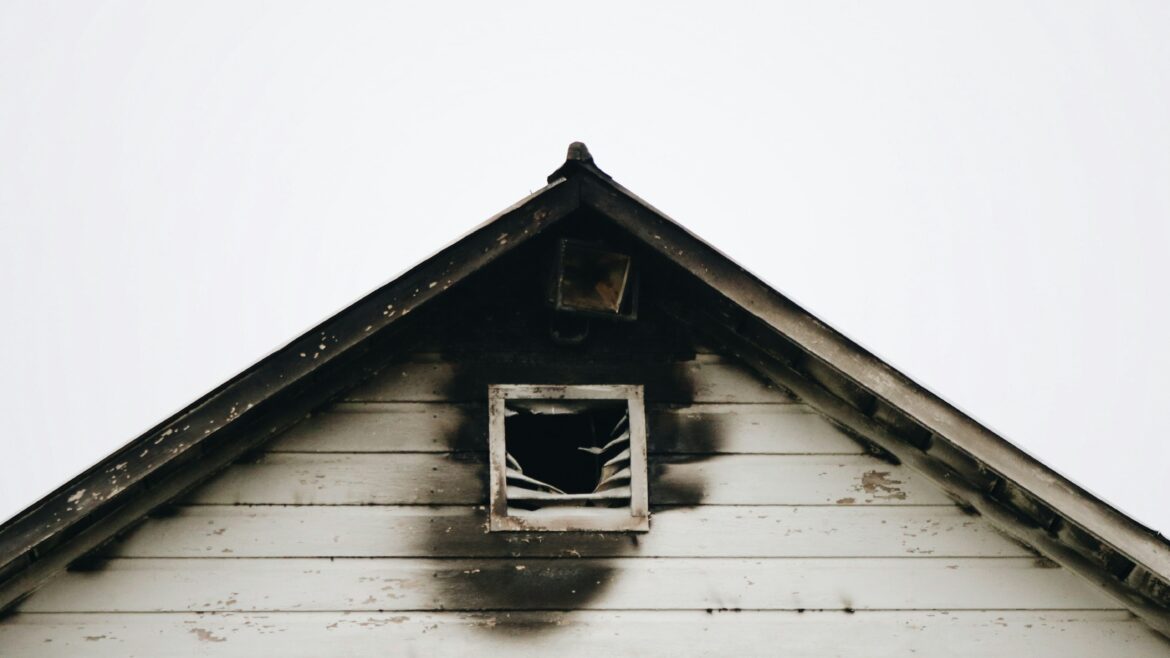
The exterior of a white home with fire damage outside of the attic window

Fire Damage Restoration Service: What the Reconstruction Process Looks Like

After a fire, the first phase of the recovery focuses on emergency cleanup, debris removal, and assessing immediate safety concerns. Once the smoke-damaged material is removed and the home is stabilized, the next step is full reconstruction. This is where most of the real work happens. Fire damage rebuilding is a complex process that blends engineering, structural repair, insurance coordination, and full interior restoration.

For homeowners in Salem, understanding how fire reconstruction works helps prepare for timelines, insurance requirements, and what the finished project will involve. This guide explains what the rebuild process looks like from start to finish and why choosing fire damage rebuild contractors experienced in fire restoration is essential.


What Happens After Fire Damage Cleanup Is Complete

Cleanup handles charred debris, smoke removal, and initial safety steps, but cleanup alone does not repair the home. Reconstruction begins once the property is dry, inspected, and cleared for structural work.

Rebuild preparation typically includes:

  • Structural stability checks
  • Engineering evaluations for framing and load-bearing walls
  • Safety inspections for electrical and mechanical systems
  • Insurance scoping and estimate reviews
  • Planning rough timelines for reconstruction

This stage transitions the home from emergency response into full construction mode.

What Fire Damage Reconstruction Actually Includes

Fire damage repair involves rebuilding the parts of your home that were destroyed or weakened by heat, smoke, and water used to extinguish the fire. Unlike cleanup, reconstruction is a full construction project.

Rebuild work commonly includes:

  • Structural framing repairs or replacement
  • Electrical system rewiring
  • Plumbing system inspections and rerouting
  • Roof, truss, or attic structural repair
  • Insulation and drywall installation
  • Removal of smoke-contaminated materials
  • Flooring replacement
  • Cabinet and built-in reconstruction
  • Interior finish carpentry and trim
  • Texturing, painting, and final detailing

This phase restores the function, safety, and appearance of the home.


The Step-by-Step Fire Damage Rebuild Process

Although every fire loss is different, most reconstruction projects follow a predictable sequence.

Step 1: Structural Evaluation and Engineering

Engineers or licensed contractors evaluate:

  • Load-bearing walls
  • Roof trusses
  • Floor systems
  • Joists and beams
  • Foundation connections

This step determines whether components can be repaired or must be replaced.

Step 2: Insurance Scope and Estimate Approval

Approval is required before reconstruction begins. This may include:

  • Review of the adjuster’s estimate
  • Line item breakdowns
  • Replacement cost versus actual cash value
  • Supplemental claims for hidden damage

Accurate documentation at this stage prevents delays later.

Step 3: Controlled Demolition and Site Preparation

Remaining damaged materials are removed to expose clean, structurally sound surfaces. Work may include:

  • Smoke-damaged drywall removal
  • Insulation removal
  • Subfloor replacement
  • Sealing surfaces to prevent odor migration

Step 4: Framing, Electrical, and Plumbing Rough-In

Once demolition is complete, the home begins to take shape again.

Rebuild tasks include:

  • New framing and structural reinforcement
  • Electrical system replacement
  • Plumbing line repairs or updates
  • HVAC ducting or equipment replacement if heat-damaged

Step 5: Insulation, Drywall, and Surface Restoration

Walls and ceilings return to normal form.

Work usually includes:

  • Fire-rated insulation installation
  • Drywall hanging and finishing
  • Texture matching with existing finishes

Step 6: Interior Finishes and Final Build-Out

This is where the home becomes livable again.

Finish work may include:

  • Flooring
  • Cabinets and countertops
  • Doors and trim
  • Painting and fixtures
  • Final clean-up and walkthrough

How Long Does Fire Damage Reconstruction Take?

Rebuild timelines depend on the severity of the fire, insurance approvals, and the scope of construction. Typical timelines include:

  • Small room fire rebuild: 1-2+ months
  • Multi-room interior fire rebuild: 2-3+ months
  • Large or structure-involved fire rebuild: several months

Delays most often come from:

  • Engineering reviews
  • Insurance estimate adjustments
  • Permit approvals
  • Material availability

Fire damage reconstruction requires coordination across multiple trades and companies, so realistic expectations help reduce stress throughout the process. This process is typically longer than the usual remodeling project.

What Insurance Typically Covers After a Fire

In many cases (although not always, as circumstances and insurance coverage are crucial here), homeowners’ insurance covers both the cleanup and the reconstruction portion of fire damage restoration, provided the loss is sudden and accidental.

Coverage may include:

  • Structural framing repairs
  • Roof and attic reconstruction
  • Electrical and plumbing replacement
  • Drywall, insulation, and flooring
  • Cabinetry, paint, and interior finishes
  • Smoke-damaged HVAC components
  • Temporary housing if the home is unlivable

Homeowners should review:

  • Policy limits
  • Deductibles
  • Depreciation rules
  • Replacement cost provisions

These details influence final out-of-pocket costs.

Fire Damage Rebuild vs Standard Home Remodeling

Rebuilding after a fire is not the same as a typical remodeling project.

Key differences include:

  • Reconstruction must follow insurance-approved scopes
  • Repairs often need to be inspected by multiple parties to ensure they meet safety standards and updated building codes
  • Hidden structural issues are far more common
  • Timelines depend on inspections and insurance approvals
  • Materials may need to match pre-loss conditions

Standard remodeling focuses on design preferences. Fire rebuilding focuses on structural recovery and restoring the home to a safe, livable condition.


Why Hire Fire Damage Rebuild Contractors Instead of a General Remodeler

General remodelers often are not equipped for the complexity of fire reconstruction. Experienced fire damage rebuild contractors understand:

  • Insurance documentation requirements
  • Rebuild scoping and supplemental claims
  • Safety and structural concerns after a fire
  • Permitting for reconstruction projects
  • How to handle odor sealing, char removal, and smoke infiltration
  • Coordination with adjusters and inspectors

Choosing a contractor with fire rebuild experience helps ensure the home is restored correctly and without costly delays.


Common Structural Problems Found After Fire Damage

Fires often cause more damage than is visible at first inspection. Common reconstruction issues include:

  • Weakened or warped framing
  • Compromised roof trusses
  • Melted electrical wiring insulation
  • Damaged plumbing lines
  • Smoke-saturated insulation
  • Subfloor charring
  • Hidden moisture from firefighting efforts

These problems must be identified early to avoid long-term safety risks.

Rebuilding Kitchens and Living Spaces After Fire Damage

Rooms with higher heat levels and dense materials often require extensive reconstruction.

Common tasks include:

  • Rebuilding cabinets and islands
  • Installing new countertops
  • Replacing appliances damaged by heat or smoke
  • Sealing framing to eliminate odor
  • Reinstalling flooring systems
  • Restoring open-concept layouts when applicable

This stage allows homeowners to regain comfort and functionality after a traumatic event.

What To Do If Your Home Needs Fire Reconstruction

After a fire, homeowners should:

  • Secure the property
  • Report the loss to insurance
  • Document visible damage
  • Avoid starting permanent repairs
  • Schedule a reconstruction assessment
  • Choose one contractor to manage mitigation and rebuild
  • Avoid uninsured or cash-only cleanup offers

Coordinated management helps prevent claim disputes and rebuild delays.


Frequently Asked Questions

How long does fire damage reconstruction take?

Fire damage reconstruction can take several weeks to several months, depending on the extent of the damage, the level of structural damage, and how long insurance companies take to approve the scope of repairs. Larger projects involving soot residues, smoke odor infiltration, or full-system rebuilds naturally extend the timeline because the fire damage restoration process must meet safety and building-code requirements.

Does homeowners insurance pay for rebuilding after a fire?

Most homeowners insurance policies cover fire damage when the loss is sudden and accidental, including the cost to repair structural damage, replace interior finishes, and restore your home or business to a safe condition. Insurance companies may also pay for emergency services, odor removal, and parts of the smoke damage restoration process, but coverage depends on your policy and the documented extent of the damage.

Can I live in my home during fire reconstruction?

Whether you can remain in your home during reconstruction depends on the severity of the fire and smoke damage and whether structural components or mechanical systems were compromised. If the restoration company identifies unsafe conditions such as lingering smoke odor, electrical hazards, or areas requiring significant demolition, temporary relocation is usually necessary to protect your health and safety.

What happens if hidden damage is discovered during reconstruction?

If contractors uncover hidden structural damage, soot residues inside walls, or moisture from water damage restoration efforts, they typically submit supplemental documentation to insurance companies for approval. These findings are common because the full extent of the damage often cannot be seen until demolition begins, and adjusters usually authorize additional repairs once properly documented.

Do I need new permits to rebuild after a fire?

Yes. Rebuilding after a fire almost always requires new permits because reconstruction must comply with updated structural, electrical, plumbing, and mechanical codes. Even when the layout stays the same, the fire damage restoration process includes inspections to ensure the home is fully safe and restored to pre-loss condition before occupancy.

Chimney Repair & Fireplace Rebuild Guide: Key Warning Signs for Oregon Homeowners This Winter 1024 683 Gene Trofimchik

Chimney Repair & Fireplace Rebuild Guide: Key Warning Signs for Oregon Homeowners This Winter

In many parts of Oregon, especially rural areas outside Salem, your fireplace isn’t just a cozy feature. It’s a heat source, a backup during winter storms, and a core part of how your home functions when temperatures drop.

But chimneys and fireplaces take a beating in our wet, windy, freeze-thaw climate. And when they’re damaged, the risks are serious: water intrusion, smoke backdrafting, structural instability, and even house fires, causing fire damage. Because of this, it’s crucial to recognize the early signs of chimney or fireplace failure before winter weather sets in.

At Liberty Homes Construction LLC, we specialize in chimney repair, fireplace rebuilds, structural restoration, and weather-related home damage for homeowners within a 60-mile radius of Salem. If something looks or feels off with your chimney or fireplace, this guide will help you understand what may be happening and when it’s time to call a professional.


Why Chimney Health Matters in Oregon’s Winter Climate

Oregon homes face unique environmental challenges that accelerate chimney and fireplace damage:

Heavy rainfall and moisture saturation

Our long wet season allows water to penetrate masonry, mortar joints, and chimney crowns. Over time, this leads to cracking, spalling, and structural weakening.

Freeze–thaw cycles

Moisture seeps into small cracks. Overnight freezes expand the water, making those cracks worse. This cycle repeats hundreds of times each winter.

High winds and falling branches

Strong storm fronts frequently blow through the Willamette Valley. Chimneys, especially older masonry stacks, are vulnerable to impact damage.

Rural reliance on wood heat

Many homes outside Salem, Stayton, Silverton, and Dallas rely on fireplaces or wood stoves as primary or backup heating sources.

Smoke & ventilation risks

Any structural shift, blockage, or masonry failure can cause smoke to backdraft into the home, reducing indoor air quality and increasing carbon monoxide risk.

Because these risks compound over time, spotting early warning signs is essential.


Structural Warning Signs Your Chimney Needs Repair or Rebuilding

A damaged chimney rarely fails all at once. Instead, it shows a series of progressive symptoms. Here are the most common red flags Oregon homeowners should look for during a chimney inspection that could indicate you need chimney replacement or repair:

1. Leaning or Tilting Chimney Stack

If your chimney is visibly leaning or appears to be pulling away from the house, it’s a structural red alert that requires more than chimney cleaning or regular maintenance.

This can be caused by:

  • Foundation settlement
  • Rotting framing near the chimney chase
  • Long-term water intrusion
  • Earth movement around rural properties

A leaning chimney can collapse during a storm and should be inspected immediately.

2. Cracked, Loose, or Missing Bricks

Cracks often start small, but as water enters and freezes, they worsen. Missing or loose bricks indicate significant masonry deterioration and usually mean the chimney needs partial rebuilding or repair services.

3. Crumbling Mortar Joints (Tuckpointing Needed)

Mortar joints naturally degrade over time. But heavy Oregon rainfall accelerates the breakdown.

If you notice:

  • Gritty dust around the base
  • Visible gaps in mortar
  • Mortar falls out when touched

…your chimney is losing structural integrity.

4. Spalling or Flaking Masonry

Spalling occurs when the brick’s face flakes or crumbles. You’ll typically see:

  • Chips of brick on the roof or ground
  • Pitted or disintegrating bricks
  • Exposed interior surfaces

Spalling is a sign of moisture saturation and often precedes complete brick failure.

5. Gaps Between Chimney and House Siding

If a visible gap is forming where the chimney meets the house, it may indicate:

  • Chimney settling
  • Framing rot
  • Flashing failure
  • Foundation issues

This is both a structural and moisture-intrusion problem.


Fireplace Damage That Requires Professional Attention

Even if the exterior of your chimney looks fine, interior fireplace issues can still pose serious risks that could require wood-burning fireplace repair. Here are some signs you need repair:

1. Cracked Firebox Panels or Masonry

Heat stress can cause the firebox to crack, which allows heat to transfer to the surrounding framing. This poses a fire hazard and typically requires repair or rebuilding.

2. Rusted or Malfunctioning Damper

Rust inside your fireplace is always a moisture warning sign. A damaged damper affects ventilation and can trap smoke or CO inside the home.

3. Smoke Escaping Into the Room

If smoke isn’t venting properly and you get a burning smell in your home, something is wrong. Common causes include:

  • Chimney draft issues
  • Flue or chimney liner damage
  • Blockage from structural failure or a faulty chimney cap
  • Improper chimney height due to settling

This is a safety issue; don’t wait to address it.

4. Heat Escaping Around the Fireplace Structure

You should never feel excessive heat coming from the walls or framing around your fireplace. This often means:

  • Cracked firebox
  • Failed heat barrier
  • Improper construction
  • Hidden structural damage

This is a fire hazard that requires immediate evaluation.


Water Damage: A Leading Cause of Chimney Failure in Oregon

Moisture is the #1 enemy of chimneys in the Willamette Valley.

Signs of chimney-related water damage include:

1. Water Stains on Ceilings or Walls Near the Fireplace

This usually indicates chimney crown cracks or flashing failure.

2. A Musty or Damp Smell Around the Fireplace

Lingering moisture often leads to mold inside the chase walls.

3. Deteriorated or Missing Flashing

Chimney flashing should seal the opening where the chimney meets the roof. Once it fails, water enters the attic and framing.

4. Cracked or Damaged Chimney Crown

The crown prevents rainwater from entering the flue or soaking into the brickwork. Cracks = water inside the chimney structure.

5. Interior Sheetrock Bubbling or Peeling Paint

This is a late-stage sign of moisture penetration and can indicate severe structural issues.


Signs You May Need a Full Chimney or Fireplace Rebuild

Repair is not always enough. Some situations require a full or partial rebuild.

1. Significant Brick Loss or Masonry Collapse

If large sections of masonry have failed, patching won’t solve the underlying problem.

2. Repeated Leaks Despite Small Repairs

This often means the underlying structure is compromised.

3. A Chimney That’s Pulling Away From the Home

This is a structural issue and a safety hazard.

4. Internal Firebox or Flue Damage

Major internal cracking, shifting, or fire damage requires rebuilding for safety and proper draft.

5. Long-Term Neglect or Improper Original Construction

Many older rural Oregon homes were built before modern code standards.
Rebuilding may be the safest path.


Winter Safety Risks of Ignoring Chimney Damage

A failing chimney is not just a maintenance issue; it can create dangerous conditions inside your home.

  • Smoke inhalation from poor draft
  • Carbon monoxide buildup
  • Fire spread into the walls or the attic
  • Rotting beams and trusses from leaks
  • Chimney collapse during windstorms
  • Insurance claim denial due to deferred maintenance

If you notice any major warning signs, it’s worth getting a professional evaluation before temperatures drop.

When to Call a Professional vs. When a Small Fix Is Enough

You can visually check for:

  • Loose bricks
  • Cracks in the crown
  • Water stains
  • Drafting problems
  • Rust
  • Odd smells

You need a professional when:

  • Structural issues are visible
  • Water is entering the home
  • The chimney is leaning
  • Smoke escapes into the room
  • The firebox or flue is cracked
  • You suspect storm or impact damage
  • You rely on your chimney as a winter heat source

Because Liberty Homes is a construction + restoration contractor, we handle the problems that go beyond what a cleaning service can fix.


Cost Factors for Chimney Repair & Rebuilds in Oregon (2025)

Every home is different, but here are general cost-driving factors:

Chimney Repair Cost Factors

  • Extent of masonry damage
  • Height and accessibility
  • Type of repair (crown, flashing, brick replacement)
  • Water damage mitigation
  • Amount of rebuilding required

Fireplace Repair Cost Factors

  • Type of fireplace (masonry vs. prefabricated)
  • Structural damage to the firebox
  • Replacement of damaged materials
  • Reinforcing or upgrading to meet the current code

Full Chimney or Fireplace Rebuild Costs Depend On:

  • Size and height of the chimney
  • Materials used
  • Structural requirements
  • Weatherproofing and code upgrades
  • Roof slope and access
  • Whether the flue system requires replacement

We never provide one-size-fits-all estimates online, but we do offer free assessments to Oregon homeowners.

Serving Salem & the Surrounding Rural Communities

Liberty Homes Construction LLC proudly serves homeowners across the Willamette Valley, including:

  • Salem
  • Keizer
  • Silverton
  • Newport
  • Stayton
  • Sublimity
  • Jefferson
  • Dallas
  • Monmouth
  • Independence
  • Albany
  • Woodburn
  • Mt. Angel
  • Aumsville
  • Scio
  • And many rural properties within a 60-mile radius of Salem

Whether you rely on your fireplace as a primary heat source or a backup during outages, we understand how important it is to keep it safe and functional all winter long.


Request a Chimney Repair or Fireplace Evaluation Before Peak Winter

If something seems off with your chimney or fireplace, such as cracking, leaning, moisture, smoke drift, or anything that doesn’t feel normal, now is the time to take care of it.

Liberty Homes specializes in:

  • Chimney repair
  • Chimney rebuilding
  • Fireplace repair & rebuilding
  • Structural framing repair
  • Flashing replacement
  • Water and storm damage restoration
  • Full exterior repairs

Get ahead of winter. Protect your home. Keep your fireplace safe and ready when you need it most.

Contact Liberty Homes Construction LLC today to schedule your chimney or fireplace evaluation.

Fire Damage Restoration in Oregon: A Complete Guide 1024 680 Gene Trofimchik

Fire Damage Restoration in Oregon: A Complete Guide

A house fire or an Oregon forest fire can turn life upside down in just minutes. Beyond the immediate danger, homeowners are left with the overwhelming task of assessing the fire and smoke damage, working with their insurance provider, and deciding how to rebuild. That’s where fire damage restoration comes in. In Oregon, where wildfires and residential fires are all too common, knowing what to do after a fire and how to find the right professionals can make the difference between a smooth recovery and a long, stressful process.

This comprehensive guide walks you through the steps to take immediately after a fire, what the restoration process involves, and how to choose the best fire damage restoration company near you.


What To Do Immediately After a Fire in Oregon

1. Ensure Safety First

Do not re-enter your home until local fire authorities say it is safe and you know the extent of the damage. Fire causes structure damage, which may have weakened framing, cause electrical hazards, or hidden hot spots.

2. Contact Your Insurance Company

Contact your insurance provider immediately to initiate a claim. Request a copy of the fire report from your local fire department. This will help document the event.

3. Document the Damage

Take photos and videos of the affected areas, but avoid disturbing any debris. This evidence supports your claim and helps restoration contractors create accurate repair estimates.

4. Prevent Further Damage

If it’s safe, simple steps like placing tarps over exposed roofs or boarding broken windows can prevent rain, theft, or vandalism from worsening the situation. Many fire and water damage restoration companies offer emergency board-up services within hours.

5. Be Cautious About Cleanup

It’s tempting to start cleaning, but fire debris often contains toxic soot, asbestos, or chemical residues. Improper cleaning can spread toxic exposure. Leave most cleanup to trained fire restoration company professionals.


The Fire Damage Restoration Process

While every home and fire is unique, most restoration projects follow a structured process:

1. Emergency Response & Inspection

Restoration specialists first assess the property, checking for structural stability, the extent of fire damage, and the impact of water damage from firefighting efforts.

2. Securing the Property

Boarding up windows, tarping roofs, and installing temporary fencing protects the home while the work begins.

3. Water Extraction & Drying

Because firefighters often use large volumes of water, drying out the property quickly is critical. Professionals use pumps, industrial fans, and moisture removers to prevent mold growth.

4. Smoke & Soot Damage Cleanup

Smoke leaves behind acids and toxins that can permanently stain or corrode surfaces. Restoration crews utilize specialized equipment such as HEPA vacuums, ozone treatments, and specialized cleaning solutions when removing smoke odors and soot from walls, ceilings, and personal belongings.

5. Debris Removal & Demolition

Completely damaged materials,  such as charred drywall, insulation, and flooring,  are carefully removed. Proper disposal prevents ongoing health risks.

6. Structural Repairs & Rebuild

Once cleanup is complete, restoration shifts into reconstruction to repair your home. This can include rebuilding framing, replacing drywall, refinishing floors, and restoring the home to pre-fire condition,  or even upgrading materials for improved safety and efficiency.


Fire Cleanup Health and Safety Considerations

Fire residue isn’t just dirty,  it’s dangerous. Soot can carry carcinogens. Water left behind can foster mold. Damaged insulation or older homes may expose asbestos or lead. Restoration companies adhere to strict safety standards, utilizing personal protective equipment (PPE), negative air systems, and containment barriers to ensure the safety of families.


How to Find the Best Fire Damage Restoration Company in Oregon

Choosing the right company for fire damage restoration services in Oregon is just as important as the work itself. Here’s what to look for:

  • Certifications: Reputable companies are trained under IICRC (Institute of Inspection Cleaning and Restoration Certification) standards.
  • Experience with Insurance: Fire claims can be complicated. The best contractors work directly with insurers to simplify the process.
  • 24/7 Emergency Service: Fires don’t happen on a schedule. Choose a company that can respond immediately.
  • Local Knowledge: Oregon homes may face unique risks, from wildfire smoke damage to water intrusion during our wet winters. A local contractor will understand regional building codes and permitting.
  • Customer Reviews & References: Look for consistent praise for professionalism, responsiveness, and quality workmanship.

Fire Damage Restoration in Oregon: Local Perspective

Oregon’s diverse climate, ranging from dry summers to rainy winters, presents unique challenges for fire restoration in the state. In areas such as Portland, Salem, and Eugene, water intrusion following firefighting is often the most significant issue. In wildfire-prone regions like southern Oregon and the Columbia River Gorge, smoke infiltration into homes miles away from flames can cause lasting odor and health concerns.

Whether your home is near downtown Portland, along I-5, or in rural areas across the Willamette Valley, professional restoration ensures your property is safe, clean, and structurally sound before you return.


Work With A Certified Fire Damage Repair Company

Recovering from a house fire is never easy, but with the right steps and a trusted fire damage restoration company, Oregon homeowners can get their lives back on track faster. From securing your property to cleaning, repairing, and rebuilding, restoration specialists handle the complex details so you can focus on moving forward.

If you need fire damage restoration in Oregon, Liberty Homes Construction is here to help. Our team understands the urgency, complexity, and care needed to restore your home after a fire. Call us today for a free consultation and 24/7 emergency response.