Storm Damage

Oregon Flood Damage Repair: What to Do Before and After a Flood 1024 683 Gene Trofimchik

Oregon Flood Damage Repair: What to Do Before and After a Flood

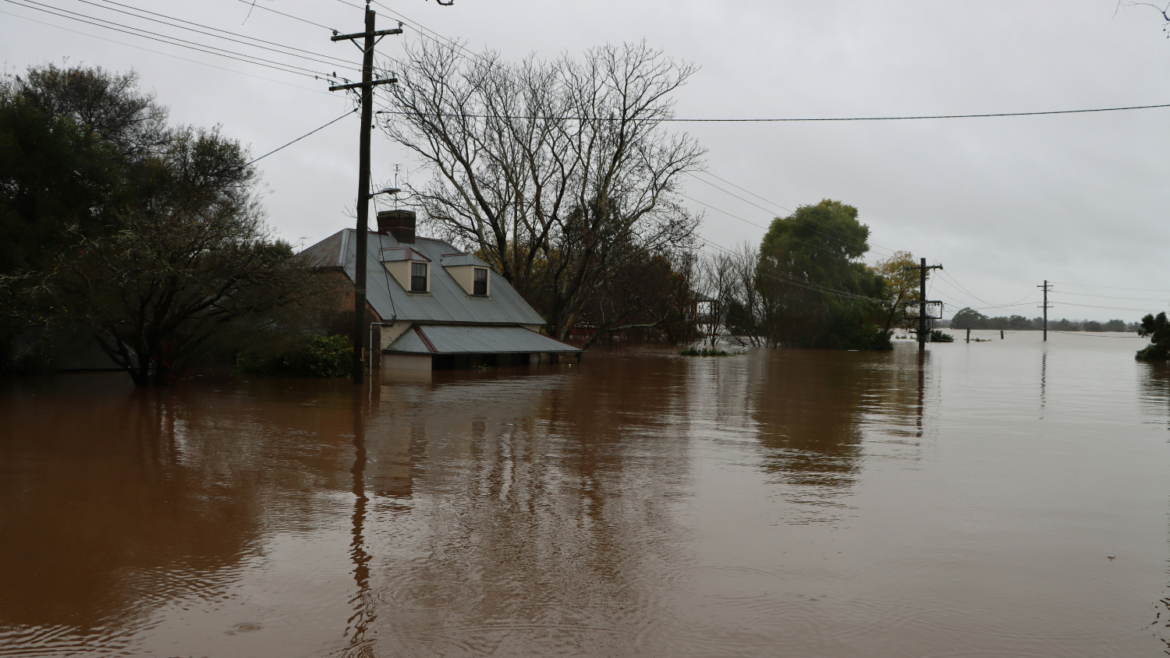
As storms and atmospheric rivers pick up intensity, storm damage caused by flooding has become more common across Oregon in recent years, affecting homes in the Willamette Valley, coastal communities, and rural areas alike. When floodwaters enter a home, the damage extends far beyond visible water. Flood damage repair is a complex process that involves safety, contamination control, structural drying, and full restoration. Understanding how flood damage differs from other water damage and knowing what to do before and after a flood can help homeowners reduce long-term repair costs and protect their property.

This guide explains how to prepare for flooding, where to find flood warnings, what to do after floodwaters recede, and how flood damage repair and restoration typically work in Oregon homes.

Why Flood Damage Is Different From Other Water Damage

Flood damage is not the same as a burst pipe or appliance leak. Floodwater is groundwater that often carries debris, bacteria, and contaminants. Because of this, flood damage restoration is more involved and often requires additional safety measures.

Key differences include:

  • Floodwater is typically contaminated
  • Materials absorb water more deeply
  • Structural components stay wet longer
  • Electrical systems are at higher risk
  • Mold growth begins faster
  • Silt and debris remain after the water recedes

These factors make flood damage repair more complex than standard water damage restoration.


How to Prepare Your Home for Flooding in Oregon

While flooding cannot always be prevented, preparation can reduce the severity of damage and speed up recovery.

Helpful preparation steps include:

  • Keeping gutters and drains clear
  • Ensuring proper grading around the foundation
  • Maintaining sump pumps and backup power sources
  • Sealing crawl space vents when appropriate
  • Elevating utilities and appliances in flood-prone areas
  • Storing valuables above ground level

Preparation focuses on reducing how much water enters the home and limiting how deeply materials become saturated.

Where Oregon Homeowners Receive Flood Warnings and Alerts

Staying informed allows homeowners to act early when flooding is possible.

Flood warnings in Oregon are typically issued through:

  • Local emergency alert systems
  • County and state emergency management offices
  • Weather monitoring services and alerts
  • Community notification systems

These alerts help homeowners prepare, but should not be confused with instructions for flood rescue or evacuation.


What To Do After a Flood Once It Is Safe to Return Home

Once authorities declare it safe to return, homeowners should proceed cautiously. Flood-damaged homes can present serious safety hazards.

Important steps include:

  • Avoiding contact with standing water
  • Turning off the power if water reaches the outlets or appliances
  • Wearing protective gear
  • Documenting visible damage with photos
  • Avoid running HVAC systems until they are inspected
  • Contacting a restoration contractor promptly

Quick action helps prevent secondary damage and supports insurance claims.

The Flood Damage Repair and Restoration Process

Flood damage repair involves more than drying surfaces. The process focuses on stabilizing the structure, preventing mold, and restoring the home safely.

Typical steps include:

  • Damage assessment and moisture mapping
  • Water extraction and debris removal
  • Structural drying and dehumidification
  • Removal of contaminated materials
  • Cleaning and disinfecting affected areas
  • Mold prevention measures
  • Structural repair and reconstruction

Flood damage restoration often requires removing materials that cannot be safely cleaned, especially drywall, insulation, and flooring.


Does Insurance Cover Flood Damage in Oregon?

Flood damage is treated differently from other water losses. Standard homeowners’ insurance usually does not cover flood damage. Coverage typically requires a separate flood insurance policy.

Important considerations include:

  • Flood insurance coverage limits
  • Waiting periods for new policies
  • Documentation requirements
  • Scope of repairs versus policy limits

Even when flood insurance applies, accurate damage scoping and documentation are critical for approval of repair costs.

How Long Does Flood Damage Repair Take?

Flood damage repair timelines vary depending on severity and scope.

Factors that affect timelines include:

  • Depth and duration of flooding
  • Structural involvement
  • Contamination levels
  • Mold risk
  • Permit requirements
  • Insurance approvals

Minor flood damage may take several weeks to repair, while extensive flooding involving structural repairs can take several months.


Flood Damage Repair vs. Standard Water Damage Restoration

Understanding the difference helps set expectations.

Flood damage repair typically involves:

  • Contaminated water cleanup
  • More extensive material removal
  • Longer drying times
  • Increased mold risk
  • Structural inspections

Standard water damage restoration often involves cleaner water sources and fewer safety concerns.

Flood Damage Repair in Oregon

Oregon homes face unique flood risks due to weather patterns, soil conditions, and older construction. Homes with crawl spaces, basements, or aging foundations are especially vulnerable. Rural properties may also experience delayed response times after flooding.

Flood-damage cleanup and repair requires experience in both restoration and construction. Addressing the damage properly helps protect structural integrity and prevents recurring problems.

Liberty Homes Construction works with Oregon homeowners to assess flood damage, coordinate restoration, and complete necessary repairs to restore their homes.


Frequently Asked Questions

How is flood damage different from other water damage?

Flood damage usually involves contaminated standing water and excess water that spreads through affected areas, increasing the risk of structural damage. Unlike a burst pipe, floodwater often requires more extensive cleanup services and water damage repair due to debris and contamination.

What is the first step in flood damage cleanup?

The first step is to extract standing water, followed by assessing the extent of the damage with tools like a moisture meter. This helps determine which materials can be dried and which require removal during flood cleanup.

How does the water damage restoration process work after a flood?

The water damage restoration process typically includes flood cleanup, water mitigation, drying of affected areas, and completion of necessary repairs. In severe cases, structural repairs are required before the home can be safely restored.

Does flood insurance cover flood damage repair?

Flood insurance may cover flood damage repair when the policy is active and coverage limits are met. Homeowners’ insurance usually does not cover flood-related water damage, making proper documentation critical for claims.

How long does flood damage repair take?

Flood damage repair timelines depend on the extent of the damage, the presence of excess water, and whether structural damage occurred. Minor repairs may take weeks, while larger restoration projects can take several months.

Roof Leak Repair in Oregon: Early Signs Your Roof Is Failing 1024 683 Gene Trofimchik

Roof Leak Repair in Oregon: Early Signs Your Roof Is Failing

Oregon winters are tough on roofs. From weeks of nonstop rain to sudden windstorms and freezing overnight temperatures, the weather in the Willamette Valley puts roofing systems under constant stress. And when your roof starts to fail in winter, the warning signs often appear fast: staining ceilings, damp insulation, peeling paint, or water dripping during storms.

If you’re searching for roof leak repair near me, chances are you’ve already noticed something isn’t right. At Liberty Homes Construction LLC, we help homeowners throughout Salem and the surrounding rural communities diagnose roof leaks, repair storm damage, and restore the areas of the home affected by water intrusion.

This guide explains the most common causes of winter roof leaks, the early signs to watch for, and what to do if your roof begins leaking during bad weather.


Why Roof Leaks Get Worse in Oregon’s Winter Weather

Oregon’s climate is uniquely hard on roofs, especially during the late fall and winter months. Even minor vulnerabilities can turn into major leaks when winter storms arrive.

1. Heavy, Prolonged Rainfall

Unlike other regions that get short bursts of rain, Oregon often sees days or weeks of continuous rainfall. Once roofing materials are saturated, water can slip under shingles, behind flashing, or into tiny cracks.

2. Freeze–Thaw Cycles

Homes in higher elevations or rural areas often deal with colder nights. Water trapped in small cracks expands when it freezes, creating larger openings for leaks the next day.

3. Wind-Driven Rain and Storm Gusts

Winter storms frequently bring gusts strong enough to lift shingles, bend flashing, or blow debris onto the roof. A single storm can create a leak where none existed the day before.

4. Impact Damage From Branches and Trees

Rural properties and wooded neighborhoods see more fallen limbs, pine needles, moss, and debris, all of which contribute to clogged gutters, blocked valleys, and damage to shingles.

5. Aging Roofs on Older Oregon Homes

Many homes outside downtown Salem, Dallas, Lincoln City, Newport, Stayton, Silverton, and Corvallis have older roofs that are more vulnerable to winter weather than newer systems.


Common Roof Leak Causes on Oregon Homes

Most roof leaks form in predictable places. Knowing where they start helps you identify issues before water causes structural damage.

1. Cracked or Missing Shingles

Windstorms can snap or lift shingles, while years of UV exposure can make them brittle. Once a shingle cracks or falls off, water can enter the underlayment.

2. Damaged or Rusted Flashing

Flashing protects the most vulnerable joints of your roof. When flashing rusts, cracks, or lifts out of place, water quickly finds its way inside.

3. Leaks in Roof Valleys

Valleys carry enormous amounts of runoff. If they’re clogged with debris or the sealant deteriorates, valleys become one of the most common leak points.

4. Chimney and Masonry Leaks

Cracks in chimney mortar or deteriorated flashing around a chimney can allow water to flow directly into the attic or walls.
(Perfect internal link opportunity to your chimney repair blog.)

5. Skylight Leaks

Skylights bring in natural light, but older units or poor installation often lead to winter leaks around the frame or flashing.

6. Clogged Gutters and Overflowing Water

If water can’t flow down the gutter, it flows sideways, often under shingles, into soffits, or behind siding.

7. Storm or Impact Damage

Wind-blown shingles, fallen branches, or storm-driven debris can tear roofing material or open gaps.


Early Roof Leak Warning Signs Inside Your Home

A roof leak doesn’t always start with dripping water. Many interior symptoms show up before you ever see a drop.

1. Yellow or Brown Ceiling Stains

Circular stains often indicate slow, ongoing leakage.

2. Bubbling or Peeling Paint

Moisture gets trapped behind the paint, causing it to bubble or peel.

3. Sagging Drywall

This is a sign of active water saturation, a serious issue that needs immediate attention.

4. Musty Odors or Visible Mold Spots

Where there’s moisture, mold follows. Roof-related leaks often appear near bathrooms, hallways, or upper-floor ceilings.

5. Attic Moisture or Frost on Rafters

A damp, humid attic usually means water is entering through the roof deck.

6. Dripping or Light Sprinkling During Storms

This is a major red flag. If it leaks during heavy rain, the roof system has already been compromised.

Exterior Signs Your Roof Is Failing Before a Leak Appears

These issues can indicate a future leak, even if water hasn’t entered the home yet:

  • Curled, cracked, or missing shingles
  • Dark streaks of moisture on exterior walls
  • Moss growth or heavy debris buildup
  • Granules from shingles are collecting in gutters
  • Rusted or lifted flashing
  • Rotting fascia or soffits
  • Gutters pulling away from the home

Addressing these early can prevent expensive repairs later.

Why You Need to Fix a Roof Leak Immediately

Even a slow drip can create widespread damage.

1. Hidden Water Damage in Walls and Ceilings

Water migrates downward, damaging framing, drywall, insulation, and interior finishes.

2. Mold Growth That Spreads Quickly

Mold can begin growing in 24–48 hours, especially when paired with poor ventilation.

3. Structural Damage to Trusses and Sheathing

Chronically wet wood weakens over time, risking long-term structural failures.

4. Higher Heating Bills

Wet insulation loses effectiveness, forcing your heating system to work harder.

5. Insurance Claim Complications

Many insurers deny claims if the homeowner waited too long to address the leak.


What To Do If Your Roof Starts Leaking During a Winter Storm

Oregon storms don’t wait for business hours, and leaks often appear at the worst possible time.

1. Stay Clear of Electrical Hazards

Water near outlets, fixtures, or appliances is an emergency.

2. Protect Belongings

Move furniture, rugs, electronics, and valuables away from the affected area.

3. Catch Water and Reduce Spread

Place buckets, towels, or containers where drips are occurring.

4. Relieve Water Pressure in Bulging Ceilings (With Caution)

If a ceiling bubble forms, carefully puncturing it may prevent a larger collapse, but only do this if conditions are safe and controlled.

5. Document Everything for Insurance

Take pictures of leaks, stains, damage, and impacted belongings.

6. Do NOT Attempt Roof Work in a Storm

Walking on a wet roof is extremely dangerous.
Leave emergency tarping to professionals.


Leaking Roof Repair vs. Roof Replacement on Older Oregon Homes

Not every leak requires a new roof. But some conditions mean repair alone won’t cut it.

A Repair Is Often Enough If:

  • Damage is limited to one small area
  • Flashing is the primary issue
  • Only a few shingles were blown off
  • The roof is fairly new

A Replacement Is Best If:

  • Leaks appear in multiple areas
  • The roof is reaching the end of its lifespan
  • There is widespread shingle deterioration
  • Storm damage has compromised the roof structure
  • Past repairs haven’t solved the problem

Factors That Affect Repair Costs

  • Roof pitch and accessibility
  • Extent of water intrusion
  • Type of roofing material
  • Storm or tree impact damage
  • Whether interior restoration is needed

Liberty Homes can evaluate both the roof and the interior damage, providing a full-scope repair plan.

How Liberty Homes Handles Roof Leak & Water Damage Repairs

We are not a quick “patch-over-the-problem” roofer. We specialize in diagnosing leaks and restoring the areas of the home affected by water damage.

1. Full Roof & Attic Inspection

We identify where the leak began, not just where the water appeared.

2. Discovering the Root Cause

Flashing failures, storm-damaged shingles, saturated valleys, chimney issues, gutter problems, every leak has a specific cause.

3. Temporary Protection During Active Storms

If it’s still raining, we secure the area and prevent further damage.

4. Permanent Roof Repairs

This may include shingle replacement, flashing repair, valley sealing, or partial roof reconstruction.

5. Full Water Damage Restoration

Drywall, insulation, sheathing, ceilings, wall cavities, we repair everything the water touched.

6. Insurance Support When Applicable

We can help document the damage for claim submissions.


Winter Roof Leak Prevention Tips for Oregon Homeowners

A few simple steps can prevent major issues:

  • Clean gutters and downspouts before heavy rains
  • Trim trees and branches near the home
  • Remove moss, pine needles, and roof debris
  • Check attic ventilation and insulation
  • Inspect flashing around chimneys, skylights, and vents
  • After every major storm, do a quick visual walk-around
  • Replace roofs nearing the end of their lifespan

Roof Leak Repair for Salem and Rural Oregon

Liberty Homes Construction LLC proudly serves:

  • Salem
  • Keizer
  • Silverton
  • Dallas
  • Aumsville
  • Albany
  • Woodburn
  • Stayton
  • Sublimity
  • Monmouth
  • Independence
  • Jefferson
  • Scio
  • Mt. Angel
  • Properties within a 60-mile radius of Salem, OR

If you’re noticing stains, drips, musty smells, or any signs of a roof leak this winter, now is the time to act.


Schedule your roof leak inspection today.