Home Damage Restoration

Fire Damage Restoration Service: What the Reconstruction Process Looks Like 1024 681 Gene Trofimchik
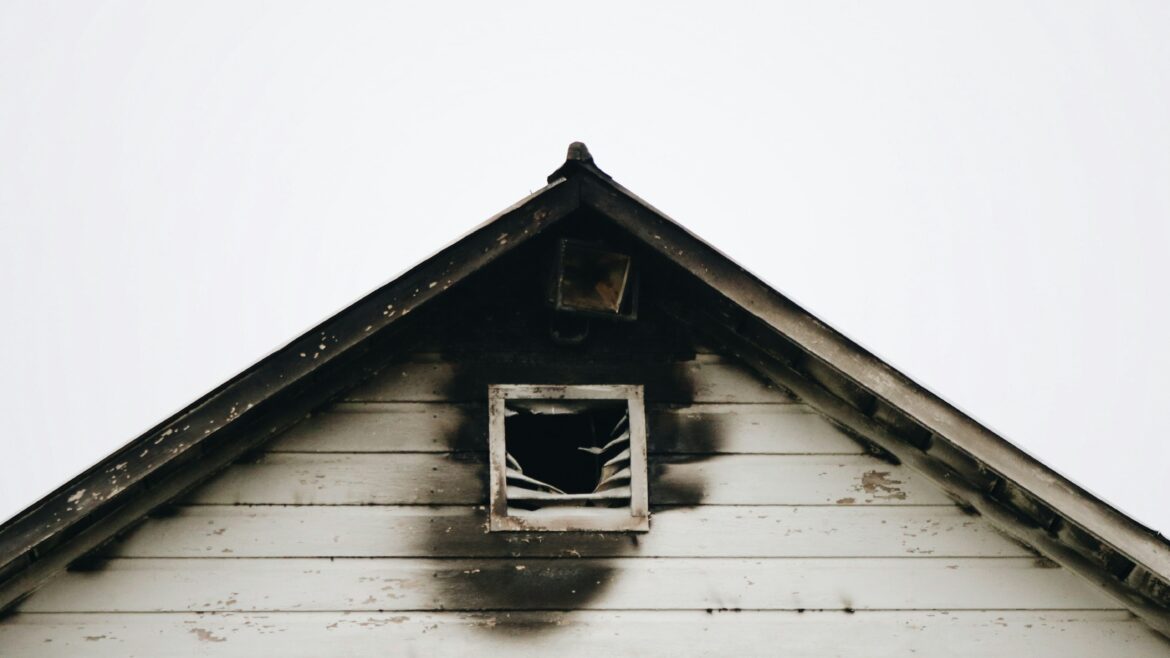
The exterior of a white home with fire damage outside of the attic window

Fire Damage Restoration Service: What the Reconstruction Process Looks Like

After a fire, the first phase of the recovery focuses on emergency cleanup, debris removal, and assessing immediate safety concerns. Once the smoke-damaged material is removed and the home is stabilized, the next step is full reconstruction. This is where most of the real work happens. Fire damage rebuilding is a complex process that blends engineering, structural repair, insurance coordination, and full interior restoration.

For homeowners in Salem, understanding how fire reconstruction works helps prepare for timelines, insurance requirements, and what the finished project will involve. This guide explains what the rebuild process looks like from start to finish and why choosing fire damage rebuild contractors experienced in fire restoration is essential.


What Happens After Fire Damage Cleanup Is Complete

Cleanup handles charred debris, smoke removal, and initial safety steps, but cleanup alone does not repair the home. Reconstruction begins once the property is dry, inspected, and cleared for structural work.

Rebuild preparation typically includes:

  • Structural stability checks
  • Engineering evaluations for framing and load-bearing walls
  • Safety inspections for electrical and mechanical systems
  • Insurance scoping and estimate reviews
  • Planning rough timelines for reconstruction

This stage transitions the home from emergency response into full construction mode.

What Fire Damage Reconstruction Actually Includes

Fire damage repair involves rebuilding the parts of your home that were destroyed or weakened by heat, smoke, and water used to extinguish the fire. Unlike cleanup, reconstruction is a full construction project.

Rebuild work commonly includes:

  • Structural framing repairs or replacement
  • Electrical system rewiring
  • Plumbing system inspections and rerouting
  • Roof, truss, or attic structural repair
  • Insulation and drywall installation
  • Removal of smoke-contaminated materials
  • Flooring replacement
  • Cabinet and built-in reconstruction
  • Interior finish carpentry and trim
  • Texturing, painting, and final detailing

This phase restores the function, safety, and appearance of the home.


The Step-by-Step Fire Damage Rebuild Process

Although every fire loss is different, most reconstruction projects follow a predictable sequence.

Step 1: Structural Evaluation and Engineering

Engineers or licensed contractors evaluate:

  • Load-bearing walls
  • Roof trusses
  • Floor systems
  • Joists and beams
  • Foundation connections

This step determines whether components can be repaired or must be replaced.

Step 2: Insurance Scope and Estimate Approval

Approval is required before reconstruction begins. This may include:

  • Review of the adjuster’s estimate
  • Line item breakdowns
  • Replacement cost versus actual cash value
  • Supplemental claims for hidden damage

Accurate documentation at this stage prevents delays later.

Step 3: Controlled Demolition and Site Preparation

Remaining damaged materials are removed to expose clean, structurally sound surfaces. Work may include:

  • Smoke-damaged drywall removal
  • Insulation removal
  • Subfloor replacement
  • Sealing surfaces to prevent odor migration

Step 4: Framing, Electrical, and Plumbing Rough-In

Once demolition is complete, the home begins to take shape again.

Rebuild tasks include:

  • New framing and structural reinforcement
  • Electrical system replacement
  • Plumbing line repairs or updates
  • HVAC ducting or equipment replacement if heat-damaged

Step 5: Insulation, Drywall, and Surface Restoration

Walls and ceilings return to normal form.

Work usually includes:

  • Fire-rated insulation installation
  • Drywall hanging and finishing
  • Texture matching with existing finishes

Step 6: Interior Finishes and Final Build-Out

This is where the home becomes livable again.

Finish work may include:

  • Flooring
  • Cabinets and countertops
  • Doors and trim
  • Painting and fixtures
  • Final clean-up and walkthrough

How Long Does Fire Damage Reconstruction Take?

Rebuild timelines depend on the severity of the fire, insurance approvals, and the scope of construction. Typical timelines include:

  • Small room fire rebuild: 1-2+ months
  • Multi-room interior fire rebuild: 2-3+ months
  • Large or structure-involved fire rebuild: several months

Delays most often come from:

  • Engineering reviews
  • Insurance estimate adjustments
  • Permit approvals
  • Material availability

Fire damage reconstruction requires coordination across multiple trades and companies, so realistic expectations help reduce stress throughout the process. This process is typically longer than the usual remodeling project.

What Insurance Typically Covers After a Fire

In many cases (although not always, as circumstances and insurance coverage are crucial here), homeowners’ insurance covers both the cleanup and the reconstruction portion of fire damage restoration, provided the loss is sudden and accidental.

Coverage may include:

  • Structural framing repairs
  • Roof and attic reconstruction
  • Electrical and plumbing replacement
  • Drywall, insulation, and flooring
  • Cabinetry, paint, and interior finishes
  • Smoke-damaged HVAC components
  • Temporary housing if the home is unlivable

Homeowners should review:

  • Policy limits
  • Deductibles
  • Depreciation rules
  • Replacement cost provisions

These details influence final out-of-pocket costs.

Fire Damage Rebuild vs Standard Home Remodeling

Rebuilding after a fire is not the same as a typical remodeling project.

Key differences include:

  • Reconstruction must follow insurance-approved scopes
  • Repairs often need to be inspected by multiple parties to ensure they meet safety standards and updated building codes
  • Hidden structural issues are far more common
  • Timelines depend on inspections and insurance approvals
  • Materials may need to match pre-loss conditions

Standard remodeling focuses on design preferences. Fire rebuilding focuses on structural recovery and restoring the home to a safe, livable condition.


Why Hire Fire Damage Rebuild Contractors Instead of a General Remodeler

General remodelers often are not equipped for the complexity of fire reconstruction. Experienced fire damage rebuild contractors understand:

  • Insurance documentation requirements
  • Rebuild scoping and supplemental claims
  • Safety and structural concerns after a fire
  • Permitting for reconstruction projects
  • How to handle odor sealing, char removal, and smoke infiltration
  • Coordination with adjusters and inspectors

Choosing a contractor with fire rebuild experience helps ensure the home is restored correctly and without costly delays.


Common Structural Problems Found After Fire Damage

Fires often cause more damage than is visible at first inspection. Common reconstruction issues include:

  • Weakened or warped framing
  • Compromised roof trusses
  • Melted electrical wiring insulation
  • Damaged plumbing lines
  • Smoke-saturated insulation
  • Subfloor charring
  • Hidden moisture from firefighting efforts

These problems must be identified early to avoid long-term safety risks.

Rebuilding Kitchens and Living Spaces After Fire Damage

Rooms with higher heat levels and dense materials often require extensive reconstruction.

Common tasks include:

  • Rebuilding cabinets and islands
  • Installing new countertops
  • Replacing appliances damaged by heat or smoke
  • Sealing framing to eliminate odor
  • Reinstalling flooring systems
  • Restoring open-concept layouts when applicable

This stage allows homeowners to regain comfort and functionality after a traumatic event.

What To Do If Your Home Needs Fire Reconstruction

After a fire, homeowners should:

  • Secure the property
  • Report the loss to insurance
  • Document visible damage
  • Avoid starting permanent repairs
  • Schedule a reconstruction assessment
  • Choose one contractor to manage mitigation and rebuild
  • Avoid uninsured or cash-only cleanup offers

Coordinated management helps prevent claim disputes and rebuild delays.


Frequently Asked Questions

How long does fire damage reconstruction take?

Fire damage reconstruction can take several weeks to several months, depending on the extent of the damage, the level of structural damage, and how long insurance companies take to approve the scope of repairs. Larger projects involving soot residues, smoke odor infiltration, or full-system rebuilds naturally extend the timeline because the fire damage restoration process must meet safety and building-code requirements.

Does homeowners insurance pay for rebuilding after a fire?

Most homeowners insurance policies cover fire damage when the loss is sudden and accidental, including the cost to repair structural damage, replace interior finishes, and restore your home or business to a safe condition. Insurance companies may also pay for emergency services, odor removal, and parts of the smoke damage restoration process, but coverage depends on your policy and the documented extent of the damage.

Can I live in my home during fire reconstruction?

Whether you can remain in your home during reconstruction depends on the severity of the fire and smoke damage and whether structural components or mechanical systems were compromised. If the restoration company identifies unsafe conditions such as lingering smoke odor, electrical hazards, or areas requiring significant demolition, temporary relocation is usually necessary to protect your health and safety.

What happens if hidden damage is discovered during reconstruction?

If contractors uncover hidden structural damage, soot residues inside walls, or moisture from water damage restoration efforts, they typically submit supplemental documentation to insurance companies for approval. These findings are common because the full extent of the damage often cannot be seen until demolition begins, and adjusters usually authorize additional repairs once properly documented.

Do I need new permits to rebuild after a fire?

Yes. Rebuilding after a fire almost always requires new permits because reconstruction must comply with updated structural, electrical, plumbing, and mechanical codes. Even when the layout stays the same, the fire damage restoration process includes inspections to ensure the home is fully safe and restored to pre-loss condition before occupancy.

Oregon Flood Damage Repair: What to Do Before and After a Flood 1024 683 Gene Trofimchik

Oregon Flood Damage Repair: What to Do Before and After a Flood

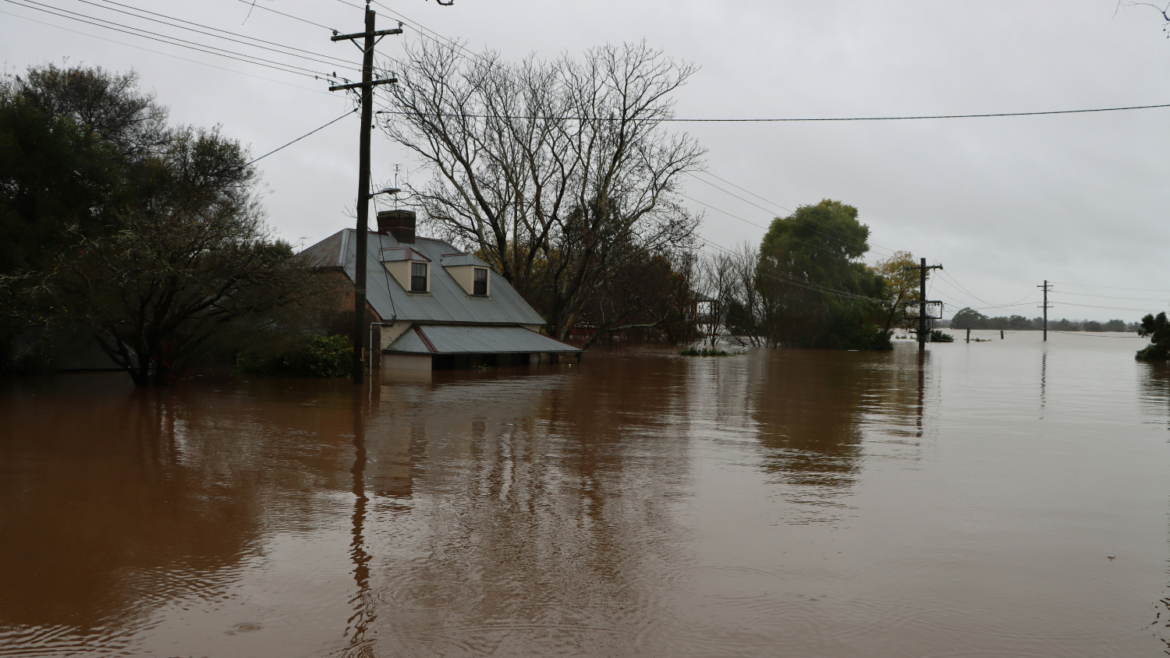
As storms and atmospheric rivers pick up intensity, storm damage caused by flooding has become more common across Oregon in recent years, affecting homes in the Willamette Valley, coastal communities, and rural areas alike. When floodwaters enter a home, the damage extends far beyond visible water. Flood damage repair is a complex process that involves safety, contamination control, structural drying, and full restoration. Understanding how flood damage differs from other water damage and knowing what to do before and after a flood can help homeowners reduce long-term repair costs and protect their property.

This guide explains how to prepare for flooding, where to find flood warnings, what to do after floodwaters recede, and how flood damage repair and restoration typically work in Oregon homes.

Why Flood Damage Is Different From Other Water Damage

Flood damage is not the same as a burst pipe or appliance leak. Floodwater is groundwater that often carries debris, bacteria, and contaminants. Because of this, flood damage restoration is more involved and often requires additional safety measures.

Key differences include:

  • Floodwater is typically contaminated
  • Materials absorb water more deeply
  • Structural components stay wet longer
  • Electrical systems are at higher risk
  • Mold growth begins faster
  • Silt and debris remain after the water recedes

These factors make flood damage repair more complex than standard water damage restoration.


How to Prepare Your Home for Flooding in Oregon

While flooding cannot always be prevented, preparation can reduce the severity of damage and speed up recovery.

Helpful preparation steps include:

  • Keeping gutters and drains clear
  • Ensuring proper grading around the foundation
  • Maintaining sump pumps and backup power sources
  • Sealing crawl space vents when appropriate
  • Elevating utilities and appliances in flood-prone areas
  • Storing valuables above ground level

Preparation focuses on reducing how much water enters the home and limiting how deeply materials become saturated.

Where Oregon Homeowners Receive Flood Warnings and Alerts

Staying informed allows homeowners to act early when flooding is possible.

Flood warnings in Oregon are typically issued through:

  • Local emergency alert systems
  • County and state emergency management offices
  • Weather monitoring services and alerts
  • Community notification systems

These alerts help homeowners prepare, but should not be confused with instructions for flood rescue or evacuation.


What To Do After a Flood Once It Is Safe to Return Home

Once authorities declare it safe to return, homeowners should proceed cautiously. Flood-damaged homes can present serious safety hazards.

Important steps include:

  • Avoiding contact with standing water
  • Turning off the power if water reaches the outlets or appliances
  • Wearing protective gear
  • Documenting visible damage with photos
  • Avoid running HVAC systems until they are inspected
  • Contacting a restoration contractor promptly

Quick action helps prevent secondary damage and supports insurance claims.

The Flood Damage Repair and Restoration Process

Flood damage repair involves more than drying surfaces. The process focuses on stabilizing the structure, preventing mold, and restoring the home safely.

Typical steps include:

  • Damage assessment and moisture mapping
  • Water extraction and debris removal
  • Structural drying and dehumidification
  • Removal of contaminated materials
  • Cleaning and disinfecting affected areas
  • Mold prevention measures
  • Structural repair and reconstruction

Flood damage restoration often requires removing materials that cannot be safely cleaned, especially drywall, insulation, and flooring.


Does Insurance Cover Flood Damage in Oregon?

Flood damage is treated differently from other water losses. Standard homeowners’ insurance usually does not cover flood damage. Coverage typically requires a separate flood insurance policy.

Important considerations include:

  • Flood insurance coverage limits
  • Waiting periods for new policies
  • Documentation requirements
  • Scope of repairs versus policy limits

Even when flood insurance applies, accurate damage scoping and documentation are critical for approval of repair costs.

How Long Does Flood Damage Repair Take?

Flood damage repair timelines vary depending on severity and scope.

Factors that affect timelines include:

  • Depth and duration of flooding
  • Structural involvement
  • Contamination levels
  • Mold risk
  • Permit requirements
  • Insurance approvals

Minor flood damage may take several weeks to repair, while extensive flooding involving structural repairs can take several months.


Flood Damage Repair vs. Standard Water Damage Restoration

Understanding the difference helps set expectations.

Flood damage repair typically involves:

  • Contaminated water cleanup
  • More extensive material removal
  • Longer drying times
  • Increased mold risk
  • Structural inspections

Standard water damage restoration often involves cleaner water sources and fewer safety concerns.

Flood Damage Repair in Oregon

Oregon homes face unique flood risks due to weather patterns, soil conditions, and older construction. Homes with crawl spaces, basements, or aging foundations are especially vulnerable. Rural properties may also experience delayed response times after flooding.

Flood-damage cleanup and repair requires experience in both restoration and construction. Addressing the damage properly helps protect structural integrity and prevents recurring problems.

Liberty Homes Construction works with Oregon homeowners to assess flood damage, coordinate restoration, and complete necessary repairs to restore their homes.


Frequently Asked Questions

How is flood damage different from other water damage?

Flood damage usually involves contaminated standing water and excess water that spreads through affected areas, increasing the risk of structural damage. Unlike a burst pipe, floodwater often requires more extensive cleanup services and water damage repair due to debris and contamination.

What is the first step in flood damage cleanup?

The first step is to extract standing water, followed by assessing the extent of the damage with tools like a moisture meter. This helps determine which materials can be dried and which require removal during flood cleanup.

How does the water damage restoration process work after a flood?

The water damage restoration process typically includes flood cleanup, water mitigation, drying of affected areas, and completion of necessary repairs. In severe cases, structural repairs are required before the home can be safely restored.

Does flood insurance cover flood damage repair?

Flood insurance may cover flood damage repair when the policy is active and coverage limits are met. Homeowners’ insurance usually does not cover flood-related water damage, making proper documentation critical for claims.

How long does flood damage repair take?

Flood damage repair timelines depend on the extent of the damage, the presence of excess water, and whether structural damage occurred. Minor repairs may take weeks, while larger restoration projects can take several months.